Sisawat: Thai Dining Between Memory and Modernity in Sathorn
- Chomp Magazine

- May 30
- 4 min read
Words: Pasuta Phongam Photos: Pasuta Phongam and Sisawat

At Sisawat, Thai cuisine is not treated as nostalgia, but as a living language — one that moves gracefully between memory, craftsmanship and contemporary dining. Led by Chef Boy – Piyachat Phutthawong, the restaurant presents a refined vision of “Timeless Thainess”, where familiar flavours, traditional techniques and domestic Thai references are reinterpreted with quiet confidence.

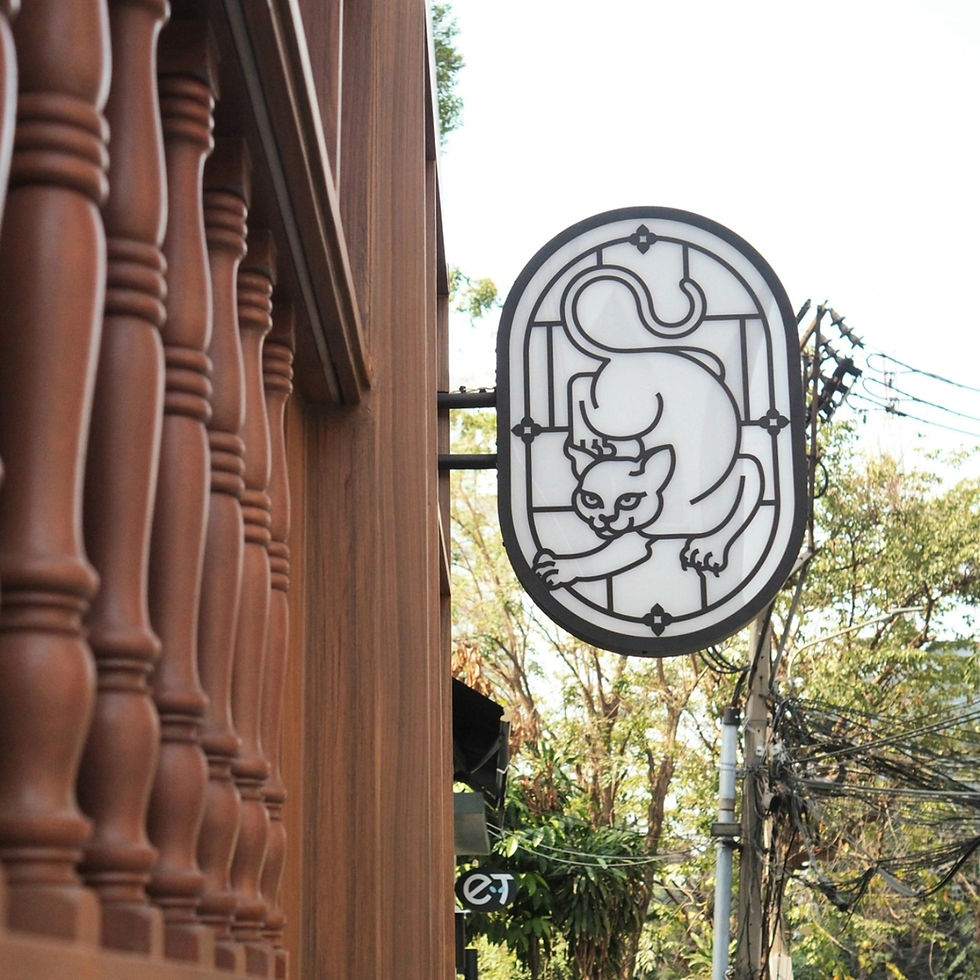
The restaurant’s design draws from the atmosphere of Thai homes from the 1980s and 1990s, reassembled through a modern lens. Wooden materials, cool-toned interiors, louvered windows, wrought-iron grilles, soft curtains, handcrafted wooden furniture and Thai textiles come together to create a space that feels both intimate and cinematic. Rather than recreating the past literally,

Sisawat collects details from different eras of Thai domestic life and layers them into a setting that is warm, nostalgic and subtly sophisticated.

As a contemporary Thai casual dining restaurant, Sisawat focuses on heritage recipes and comfort dishes that many Thais know well, yet each plate is approached with heightened precision. Traditional herbs, regional ingredients and refined cooking techniques are used to bring depth, fragrance and texture to the food. The result is Thai cuisine that feels rooted, expressive and unmistakably current — a quality recognised by its inclusion in the Michelin Guide 2026.

At the table, the restaurant’s philosophy becomes clearer. Sisawat describes its approach as “Timeless Thainess”, and the phrase feels apt. The cooking is rooted in Thai heritage, but it never feels trapped by tradition. Familiar recipes and comfort dishes are revisited with precision, using herbs, regional ingredients and thoughtful technique to create plates that feel both recognisable and newly alive.

The opening bite, Khanom Krok with Scallop Lon, immediately sets the tone. It takes the familiar shape of Thai coconut pancake and shifts it into a savoury register, pairing soft sweetness with the richness of scallop lon. It is playful, but not gimmicky — a small dish that captures the restaurant’s ability to move between memory and invention.

The Crab Yum in Coconut Water, or Thong Muan Poo Son Klin, is equally expressive. A crisp Thai wafer wraps a vivid crab salad scented with torch ginger, turmeric and dill, finished with a glossy yum dressing gel and pomegranate seeds. The dish is beautiful, but more importantly, it is sharply balanced: crisp, fresh, floral, spicy and bright in one composed bite.

Mee Krob Chao Wang with Grilled River Prawn brings a royal Thai classic into focus.
The crispy vermicelli is handled with precision, carrying sweetness, acidity and fragrance from pickled garlic, shallots, Chinese chives and bitter orange zest. Alongside it, a grilled river prawn arrives perfectly cooked, its firm flesh and rich head fat pairing effortlessly with the crunch of bean sprouts and the citrus lift of som saa.

The White Curry with Smoked Fish offers a more restrained kind of beauty. Originating from Ayutthaya, this curry does not rely on a typical curry paste. Instead, its flavour is built from herbs, creating a broth that feels soft, rounded and aromatic. Served with fried and grilled king mackerel, dried fish powder and tart Thai eggplant, it has the comfort of a soup but the complexity of a carefully layered curry. It is the kind of dish that grows quieter and more compelling with each spoonful.

With Black Ink Rice with Grilled Squid, Sisawat moves into something more vibrant. Squid ink rice is mixed with betel leaf, torch ginger, shallots, coriander, shredded mango and pickled garlic, then served with grilled squid and seafood sauce. The dish is colourful, herbaceous and full of energy — a contemporary interpretation of Thai salad culture, where acidity, fragrance and texture are given equal importance.

The Striploin with Pak Kard Hin Paste brings a richer register to the meal. Using Korat grain-fed striploin, the dish is served with local mustard leaf paste, tamarind chilli sauce and seasonal greens. What makes it compelling is not simply the beef itself, but the way the surrounding herbs and condiments sharpen and lift the dish. Vietnamese coriander, Thai coriander, dill and mustard leaves cut through the richness, giving the plate a distinctly Thai rhythm.

The Pak Kood with Razor Clam is another dish that speaks through freshness. Edible fern, razor clams, torch ginger, pineapple, white turmeric and toasted coconut come together in a salad that is fragrant, textured and bright. It feels rooted in local produce, yet plated with a contemporary sensibility.

For a more familiar note, Seabass with Sweet Bird’s Eye Chili Sauce delivers comfort with polish. Fried seabass is coated in a sweet chilli sauce and finished with crispy kaffir lime leaves and dried chillies. It is direct, satisfying and generous — the kind of dish that reminds you how powerful a well-executed Thai classic can be.

Kang Tumi is a vivid expression of local Thai flavour — a spicy-sour sea fish curry whose intensity recalls both red curry and sour curry, yet belongs fully to its own tradition. Seasonal vegetables add freshness and texture, while the broth delivers a layered heat and acidity that feel at once rustic, comforting and deeply distinctive.

Dessert continues the restaurant’s conversation with memory. Palm Sugar Ice Cream with Inthanil brings together house-made palm sugar ice cream, Thai wafer, inthanil pudding, coconut jelly, young coconut, caramel peanut crumble and a crisp dok jok garnish. It could easily become overly nostalgic, but here it feels playful and elegant, a refined composition of Thai sweets in different textures.

The Sticky Rice Pudding with Taro and Longan is more understated, combining black sticky rice, coconut cream, taro and longan. It closes the meal with warmth and familiarity, without needing to overstate itself.

Even the drink pairing feels considered. Roselle & Lychee combines the tartness of roselle with the floral sweetness of Chiang Mai lychee, offering a refreshing counterpoint to the herb-driven menu.

What stays with us after dining at Sisawat is not just a single dish, but the restaurant’s overall sense of balance. It understands how to be contemporary without losing emotional connection. It respects Thai culinary heritage without turning it into something static. And it uses design not as decoration, but as part of the storytelling.
Si Sawat Bangkok Hours: Mon - Fri: 11:30 – 15:30 and 18:00 – 22:00 Sat - Sun 11:30 - 22:00 Contact: +66 65 502 6884
Location: 14, Soi Sathorn 2, Silom, Bangrak, Bangkok, Thailand 10500 Socials: https://www.instagram.com/sisawat.bkk/


Comments