Hu Jing Sets a Contemporary Cantonese Table at Janu Tokyo

Words: Beam K. Photo: Beam K.

Tokyo’s culinary pull naturally leans Japanese, but Hujing at Janu Tokyo makes a convincing case for setting aside one dinner for contemporary Cantonese cooking. Located within Azabudai Hills, the restaurant pairs the refinement associated with the Aman group with Janu’s younger, more sociable character.

Janu Tokyo naturally carries a sense of understated sophistication, yet its atmosphere feels younger, more relaxed, and effortlessly contemporary.


Spend an afternoon of shopping around Azabudai Hills
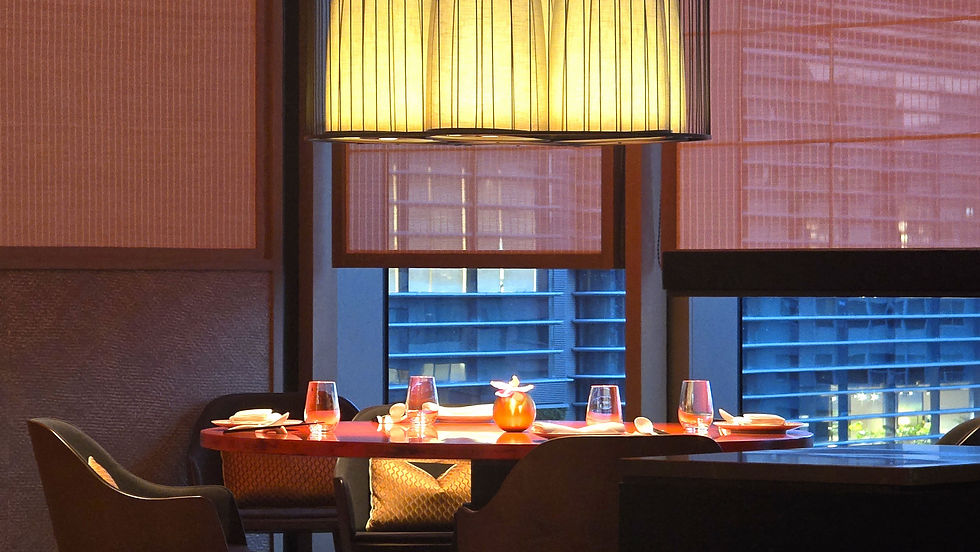

The interior interprets Chinese design through a contemporary lens. An open kitchen offers glimpses of the chefs at work, while tables beside the windows overlook Azabudai Hills’ landscaped gardens and the standalone Hermès store below. Arriving at 6pm, as daylight softened across the greenery, the room felt polished but never overly formal.
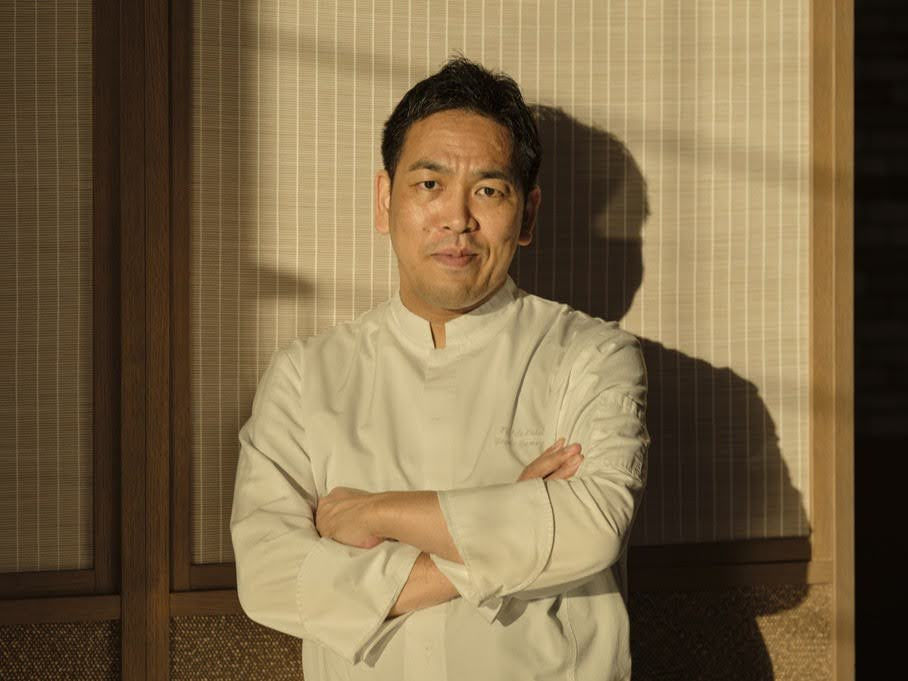
Under Chef Yusuke Yamaguchi, Hujing treats Cantonese tradition as a foundation rather than a fixed set of rules. Classical ingredients and labour-intensive techniques remain central, but their presentation feels lighter, more architectural and distinctly contemporary.

In a city filled with exceptional Japanese restaurants, Hujing earns its place on the Tokyo dining itinerary by offering something confidently different.
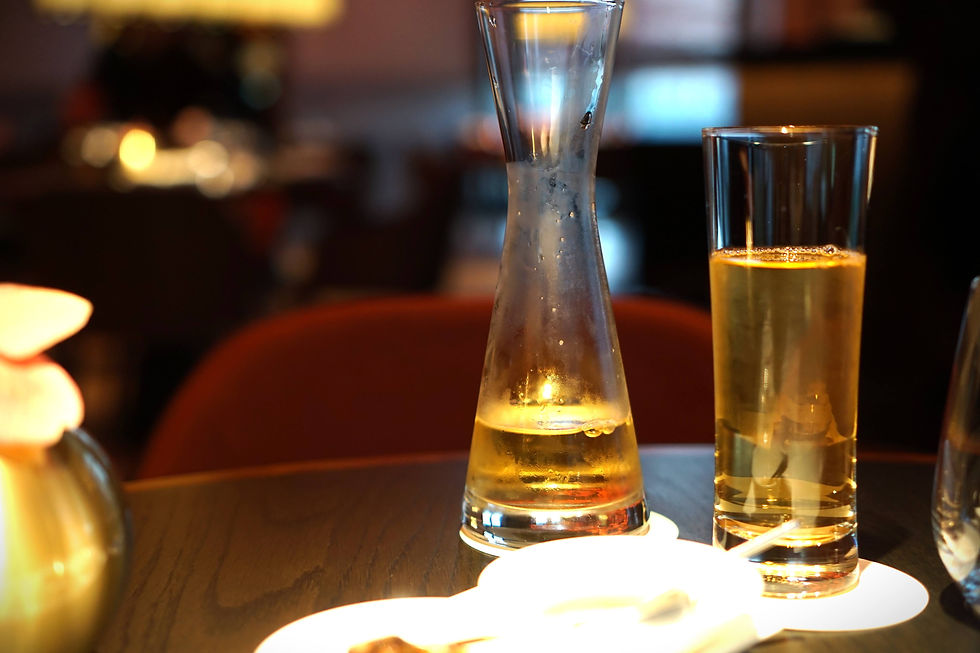
Dinner opened with chilled oolong tea, delicately aromatic and remarkably smooth, followed by a lightly sparkling plum tonic designed to sharpen the palate.

Chinese black-pepper cashews brought warmth and fragrance, balanced by honey-glazed walnuts scattered with white sesame. Together, their contrasting flavours made an unexpectedly moreish start to the evening.

The opening selection immediately established the kitchen’s attention to texture. Sesame-oil jellyfish was crisp and springy, while tender chicken dressed with sesame oil and chilli paste carried a measured heat. A bean-curd-skin spring roll encased carrots, mushrooms and vegetables in a brittle shell.

The standout was honey-glazed barbecued pork: tender, smoky and lacquered with restrained sweetness.

Telmont Réserve Brut proved a well-judged pairing, its fine bubbles, ripe fruit, floral notes and mineral finish refreshing the palate between bites.

The first major centrepiece was Buddha Jumps Over the Wall, a time-intensive Cantonese tonic soup built around whole abalone, fresh fish maw, sea cucumber, dried scallops and deer leg tendon. The abalone was substantial and satisfying, while the collagen-rich fish maw had an exceptionally soft texture, unlike anything we had experienced before. The sea cucumber was pleasantly springy, and the rare deer leg tendon tender with a gentle chew.

The broth itself was richly layered with umami, carrying a pronounced oceanic aroma from the dried scallops. Every spoonful felt comforting, nourishing and intensely flavourful.


Hujing’s Peking duck moved beyond the familiar presentation. The first preparation wrapped crisp skin, cucumber and shredded duck in a fine roll, brought together by a signature sauce balancing sweetness with a light savoury edge.

The second placed minced duck on a crisp pastry base, finished with caviar. Here, the salinity of the roe sharpened the richness of the meat and gave the composition greater definition.

Wok-fried prawns arrived with seasonal vegetables, Chinese yellow chives and seaweed salt. Its apparent simplicity revealed considerable technical control: the vegetables remained crisp, the sweetcorn was remarkably sweet, and the prawns carried the fragrance of high-heat wok cooking. A clear trace of wok hei ran through the dish without excessive oil or seasoning.

Nagasaki grouper was steamed with soy sauce and chopped garlic, preserving the fish’s fresh, springy texture. Glass noodles absorbed the light soy dressing while retaining their bite, and fermented lemon introduced enough acidity to lift the sauce and keep the flavours precise.

The highlight of the day was the Kuroge Wagyu, beautifully tender and juicy, and cooked to a precise medium rare. The grilling was particularly impressive, creating a crisp, caramelised exterior while keeping the centre succulent.

Served with Penja black pepper and black garlic sauce, the combination was excellent: the richness of the beef, aromatic heat of the pepper and deep sweetness of the black garlic complemented one another perfectly.

The savoury courses concluded with Chicken and Green Leaf Collagen Noodles in pork-bone broth. The noodles were soft yet pleasantly chewy, while the broth was rich and comforting without becoming greasy—a measured final savoury course after the intensity of the Wagyu.

Petite fours included coconut-coated mochi, their soft, gently chewy centres wrapped in finely shredded coconut for a light, subtly sweet finish.

The mango pudding offer an exceptionally smooth texture and the right level of sweetness. It was served with a crispy bird’s nest, adding an interesting contrast in texture.

The contrast between creamy fruit and delicate crunch gave the dessert its character. Hot Oriental Beauty oolong, distinctly floral and gently fragrant, completed the pairing.

Hujing at Janu Tokyo
Contact: +81 (0)50 1809 5550
Reserve: janutokyodining@janu.com
Location: Janu Tokyo, 1-2-2 Azabudai, Minato-ku, Tokyo
Socials: https://www.instagram.com/januhotels/
https://www.janu.com/janu-tokyo/hu-jing/


Comments